RESTORATIVE DENTISTRY IN TACOMA & LAKEWOOD
Dental Fillings in Tacoma & Lakewood, WA
A dental filling repairs damage caused by decay, chips, or wear, helping protect your tooth from further problems. And the sooner we catch that damage, the better our chances of keeping the repair simple. At Plancich Dental, we offer natural-looking, tooth-colored dental fillings at our Tacoma and Lakewood offices. Our goal is to fix what’s wrong while preserving as much of your healthy, natural tooth as possible.
What is a dental filling?
Think of a filling as a way to give back what a damaged tooth is missing.
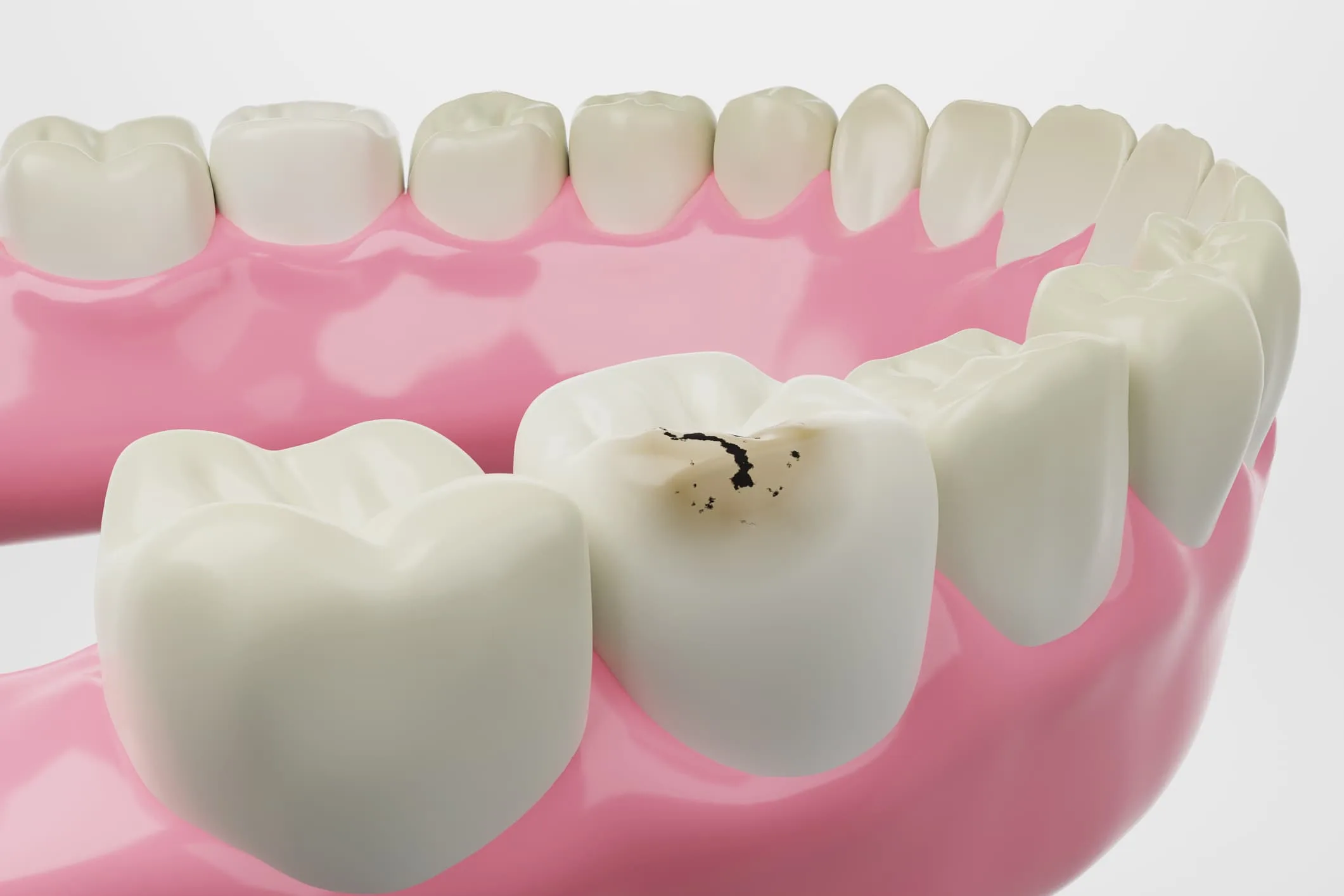
When a cavity forms, bacteria damage the tooth’s structure. Once that damage becomes a hole, it won’t heal on its own.
A dental filling replaces the damaged portion of the tooth with a durable material that restores its shape and helps protect it from further decay.
Most routine fillings can be completed in a single appointment. We’ll numb the area, remove the decay, and shape the filling so your tooth looks and functions the way it should.
The best part? With modern tooth-colored fillings, most people won’t even notice you’ve had dental work done.
Dental fillings that look like your teeth. Imagine that.
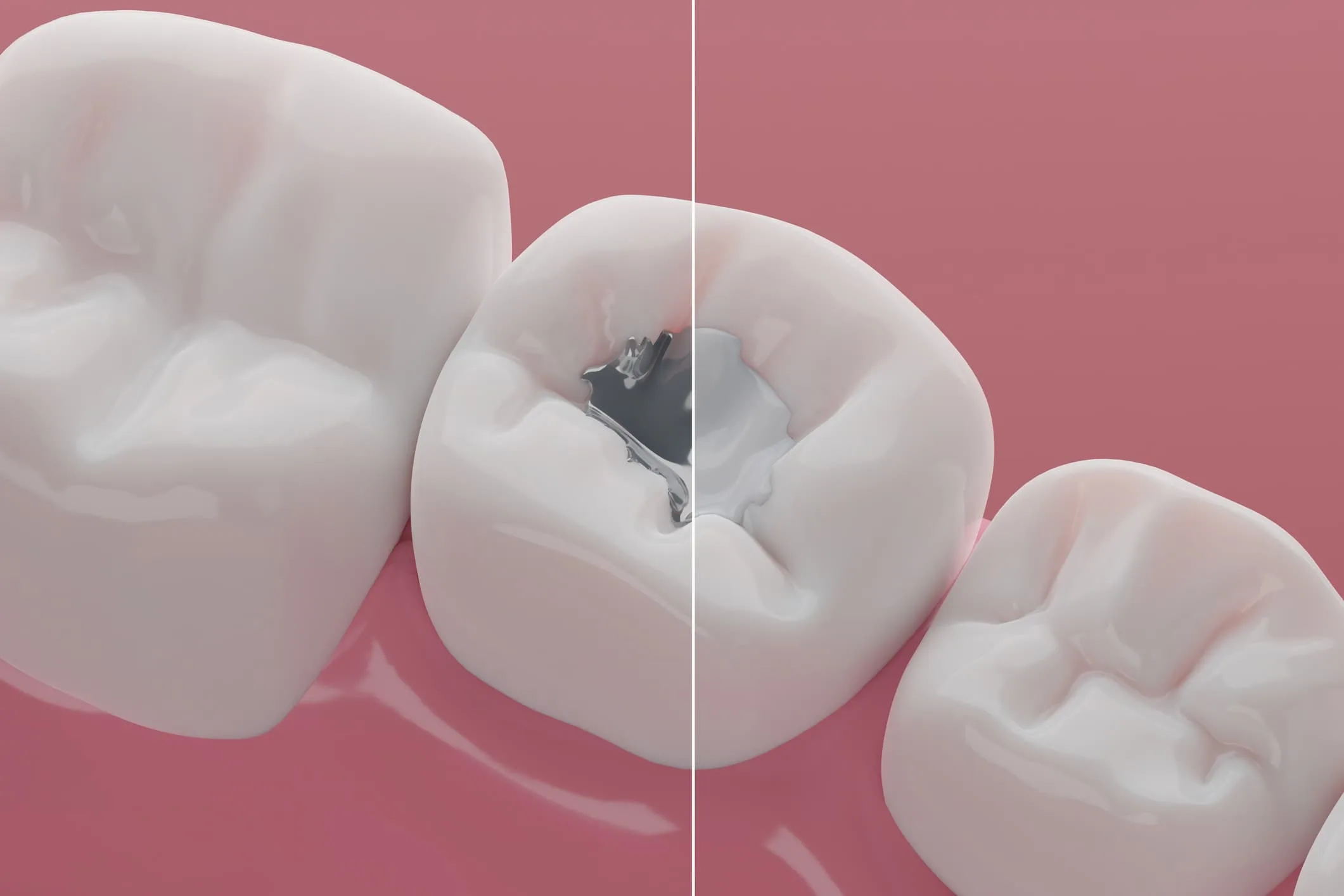
Gone are the days when repairing a cavity automatically meant leaving with a noticeable silver spot in your smile.
Today, tooth-colored materials make it possible to repair damage while keeping your teeth looking like, well, your teeth.
| Material | Looks | Best For | Notes |
|---|---|---|---|
| Composite | Matches your tooth | Front and back teeth | Bonds to the tooth, so less healthy structure is removed |
| Amalgam | Silver | Back teeth | Very durable, shows as a metal spot |
| Porcelain | Matches your tooth | Large repairs | Resists staining |
Tooth-Colored Composite Fillings
Composite fillings are made from a durable resin that can be matched to the shade of your natural teeth.
The material bonds directly to the tooth, allowing us to repair cavities while preserving healthy tooth structure.
Composite fillings can be used to:
- Repair cavities in front or back teeth
- Replace damaged or worn fillings
- Restore certain chipped or cracked teeth
- Rebuild small areas of tooth structure
- Blend repairs naturally with your smile
Amalgam (Silver) Fillings
Amalgam is a metal blend used in dentistry for over a century. It is strong and holds up well on back teeth that take heavy chewing. It does show as a silver spot.
Porcelain Inlays & Onlays
Sometimes a cavity or damaged area is too large for a regular filling, but there’s still plenty of healthy tooth worth keeping.
That’s where porcelain inlays and onlays come in.
A porcelain inlay repairs damage within the grooves of a tooth’s chewing surface, while a porcelain onlay extends over one or more of the tooth’s raised edges (called cusps) for added strength and protection.
Both are custom-made to restore your tooth while preserving as much healthy tooth structure as possible.
If a tooth has lost too much structure for a filling, we may suggest a porcelain onlay or a crown instead.
Not sure which option your tooth needs? You don’t have to figure that out before coming in.
We’ll examine the tooth and explain what we recommend and why.
SEE YOUR RESULTS FIRST
Curious what a restored smile could look like?
Our SmileGen tool lets you upload a photo and see a transformation in about ten seconds with no commitment or special equipment. Try it before your consultation if you want a sense of what’s possible!
How do you know if you need a filling?
The tricky thing about cavities is they don’t always hurt. You could have a small cavity developing without feeling anything unusual. That’s one reason regular dental checkups matter.
But between appointments, there are a few things worth paying attention to.
Tooth Pain and Sensitivity
Pain when you bite, or a sharp zing from hot, cold, or sweet foods, often points to decay.
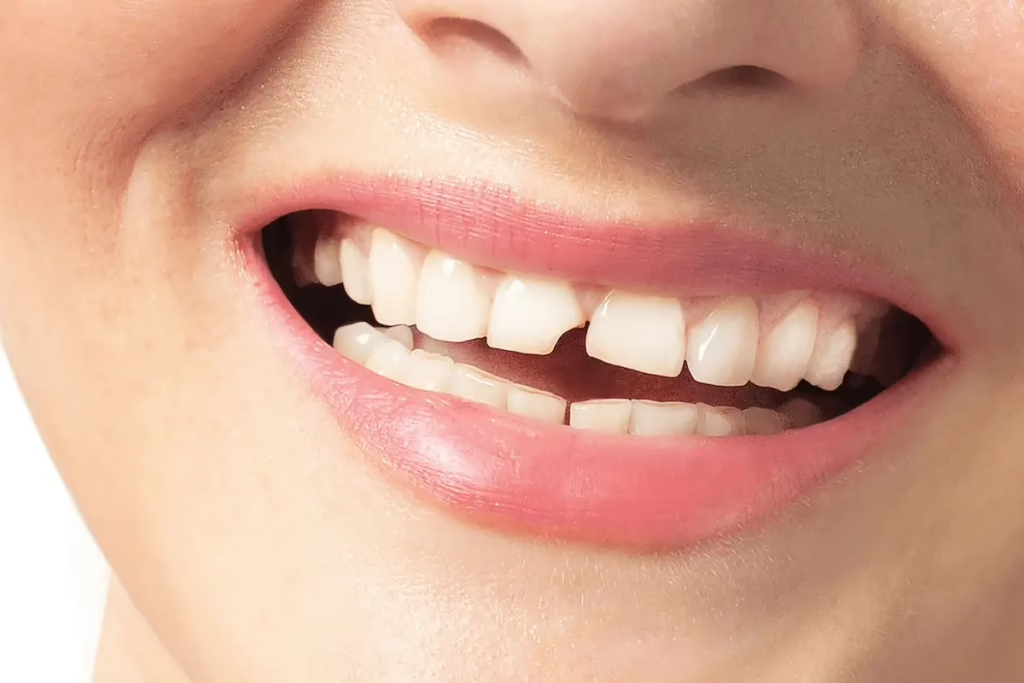
Visible Holes, Chips, or Cracks
A dark spot, a pit, or a rough edge you can feel with your tongue means the tooth needs a look. A chipped tooth may need a filling or bonding.
Worn or Stained Old Fillings
Floss that shreds or catches near a filling can mean the edge has broken down. Decay can start under an old filling without any pain.
What to expect during a dental filling.
A filling just takes a short, routine visit. If you’ve never had a filling, or it’s been a few years, here’s what to expect:
-
1. First, we make sure you’re comfortable.
We’ll numb the area around the tooth before getting started. You may feel some pressure during treatment, but you shouldn’t feel sharp pain. If you’re nervous or sensitive, tell us. We’ll work with you.
-
2. We remove the decay.
We’ll carefully remove the damaged portion of the tooth while preserving as much healthy structure as possible.
-
3. We rebuild your tooth.
For a composite filling, we’ll place the tooth-colored material, shape it to fit your tooth, and use a special light to harden it.
-
4. We check your bite and polish everything up.
We’ll make sure the filling feels comfortable when you bite down and smooth the surface so it blends naturally with the rest of your tooth.
And that’s it. For most routine fillings, you’re finished in one visit.
Replacing old or silver fillings.
Fillings work hard. Between years of chewing, grinding, and everyday wear, even a well-placed filling may eventually need attention.
You might notice that an old silver filling stands out when you smile. Or maybe a filling has cracked, loosened, or started causing sensitivity.
When an Old Filling Needs to Go
A sound filling that still seals well can stay. We only replace a filling when it is cracked, loose, leaking at the edges, or sitting on new decay. We show you the X-ray and the tooth so you can see why.
Tooth-Colored Replacement Options
Many patients ask to swap old silver fillings for tooth-colored ones. That is a reasonable choice, and we can plan it with you one tooth at a time. If the tooth is also chipped, stained, or uneven, we can talk about veneers as well.

How much does a dental filling cost in Tacoma & Lakewood, WA?
It depends on your tooth.
A small cavity on one surface usually requires less work than a larger repair involving several surfaces.
The cost of your dental filling may depend on:
- The size and location of the cavity
- How much of the tooth needs to be restored
- The filling material used
- Whether an old restoration needs to be removed
- Your dental insurance benefits
Many dental insurance plans cover medically necessary fillings but your out-of-pocket cost will depend on your individual plan.
We’ll explain your treatment options and help you understand the expected cost before moving forward.
Your dental filling questions, answered.
Does getting a dental filling hurt?
We use local anesthesia to numb the tooth before treatment, so most patients feel pressure rather than pain. You may notice some temporary sensitivity afterward, but that typically improves as the tooth settles.
How long do fillings last?
Many fillings last five to fifteen years. Teeth grinding, large cavities, and heavy chewing can shorten that. Regular exams let us catch wear early.
Composite or amalgam, which is better?
Composite matches your tooth and bonds to it. Amalgam is very durable. We will recommend one based on the location of the tooth, size of the cavity, and your preference.
Can I eat right after a filling?
With most composite fillings, the material is hardened before you leave. However, it’s best to wait until the numbness wears off before chewing so you don’t accidentally bite your cheek or tongue. We’ll give you any additional instructions based on your treatment.
Is a tooth-colored filling better than a silver filling?
Tooth-colored composite fillings offer a natural appearance and bond directly to your tooth. Silver amalgam fillings have also been used successfully for decades. The best restoration depends on the tooth, the extent of damage, and your individual needs.
Do I need a filling or a crown?
A filling is generally appropriate when enough healthy tooth remains to support the repair. If a tooth is severely damaged, cracked, or weakened, a porcelain onlay or crown may provide better protection. We’ll explain the difference and recommend an option based on your tooth.
Should I replace my old metal fillings?
Not necessarily. If an existing metal filling is intact and the surrounding tooth is healthy, there’s often no medical reason to replace it simply because it’s old. If it’s damaged or you want a more natural appearance, we can discuss whether replacement is appropriate.