TMJ/TMD TREATMENT IN TACOMA & LAKEWOOD
TMJ/TMD Treatment
Your jaw shouldn’t hurt this much
Maybe it clicks every time you eat. Maybe you wake up clenching your teeth. Maybe you’ve gotten so used to the headaches that you barely think to mention them anymore.
Jaw pain has a way of becoming part of your normal, but it doesn’t have to stay that way.
At Plancich Dental, we help patients in Tacoma and Lakewood understand what’s behind their jaw discomfort and find ways to relieve strain, protect their teeth, and get things working more comfortably again.
What is TMJ?
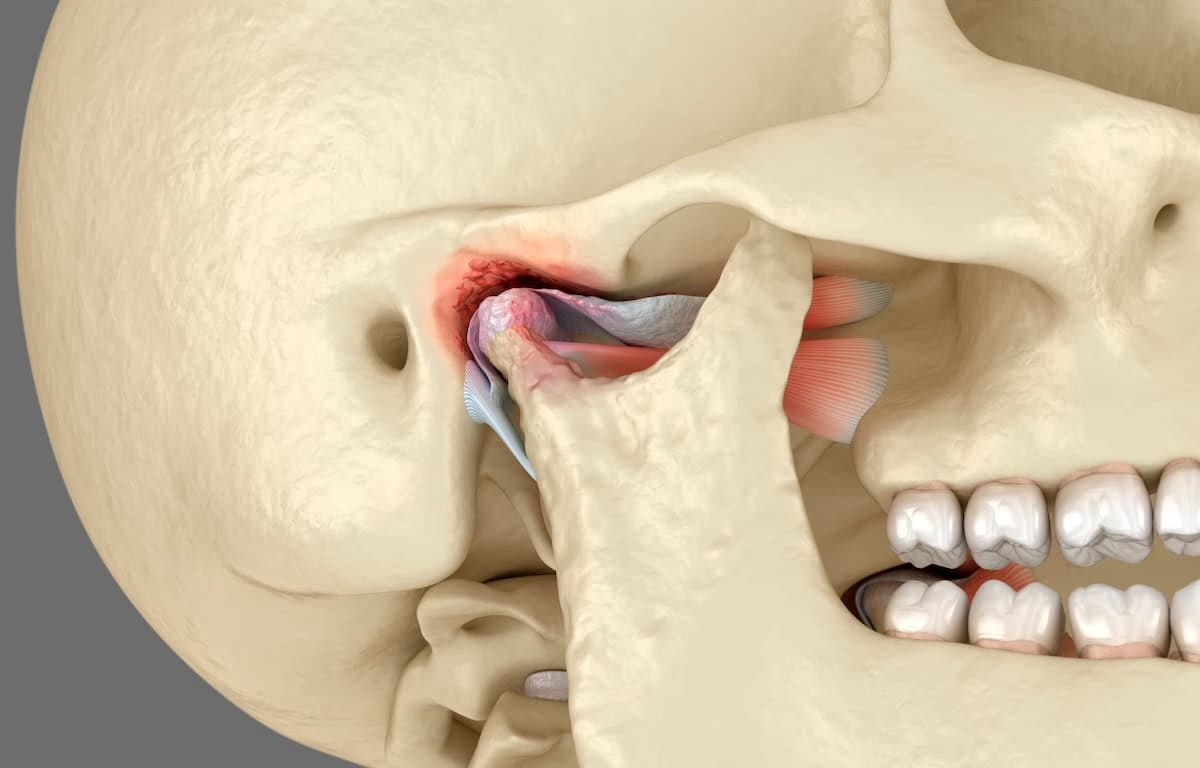
Technically, TMJ stands for temporomandibular joint which is the joint connecting your lower jaw to your skull.
You have one on each side, and you use them a lot: talking, chewing, yawning, laughing. Basically all the good stuff.
When the joints, muscles, bite, or surrounding structures aren’t working comfortably together, you may develop what’s known as a temporomandibular disorder, or TMD.
Most people just call the whole thing “TMJ,” and we know what you mean.
What does a TMJ problem feel like?
One of the most common jaw disorders is related to a problem with the temporomandibular joint, the joint that connects your lower jaw to your skull. This joint allows your upper and lower jaw to open and close, facilitates chewing, and enables speaking.
People with temporomandibular joint disorders (TMD) often have a clicking or popping sound when opening and closing their mouths. The most extreme form of TMD involves an arthritic condition of the jaw joint. Traumatic injuries also can cause jaw dislocation. In these cases, jaw surgery may be required to correct the condition. Some jaw surgery can be performed arthroscopically.
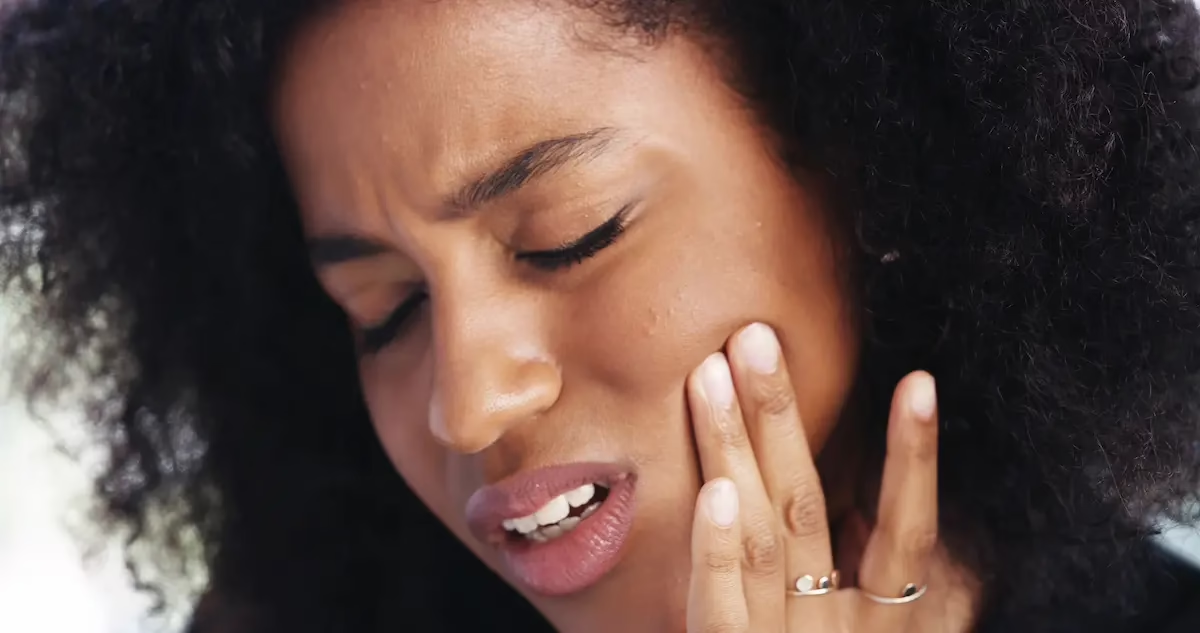
Some people feel pain directly in the jaw. Others notice symptoms elsewhere, including:
- Jaw soreness or tenderness
- Clicking, popping, or grinding sounds
- Difficulty or discomfort opening your mouth
- Pain while chewing
- Frequent headaches
- Facial, ear, or neck discomfort
- Clenching or grinding
- Sensitive, chipped, or worn teeth
- Soreness that’s worse when you wake up
If you’re nodding along to a few of those, it’s worth letting us take a look.
Why does my jaw hurt?
There isn’t one answer.
Clenching and grinding can overload the jaw muscles. Your bite may contribute to strain. Stress can make clenching worse. An injury or changes within the joint itself may also play a role.
That’s why we’d rather evaluate what’s actually happening than hand everyone who mentions jaw pain the same solution.
How do you treat TMJ problems?
Treatment depends on what we find.
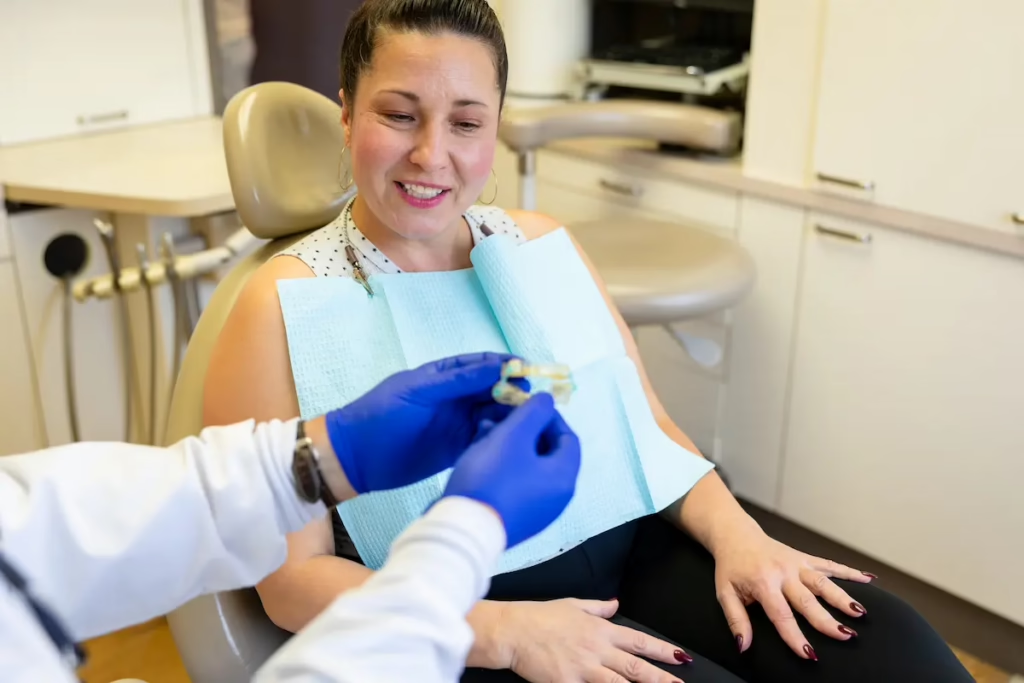
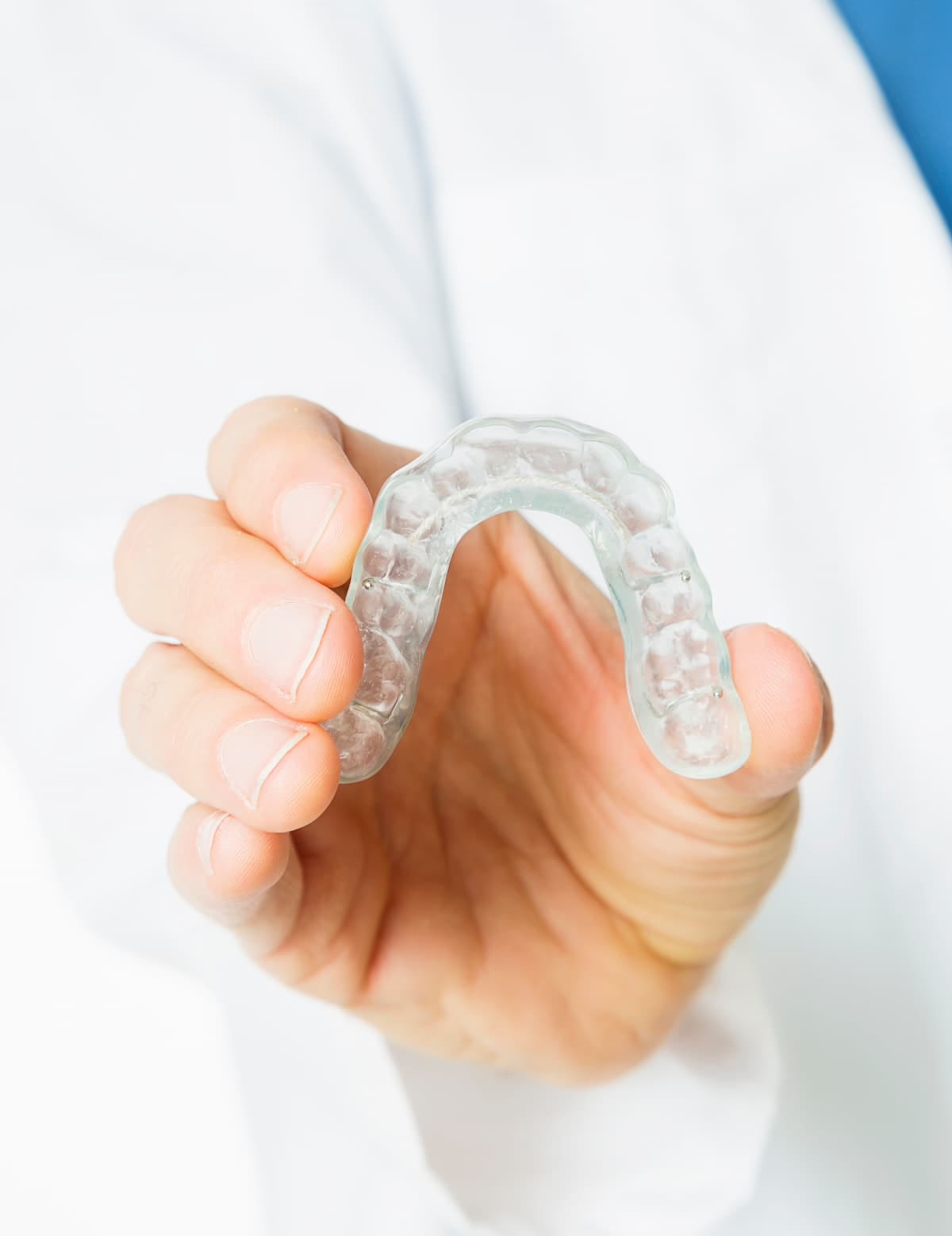
Some treatments for TMJ/TMD include muscle relaxants, aspirin, biofeedback, or wearing a small plastic appliance in your mouth during sleep. We’ll explain what we believe is contributing to your symptoms and recommend the most appropriate next step.
What about teeth grinding?
Your teeth can tell on you.
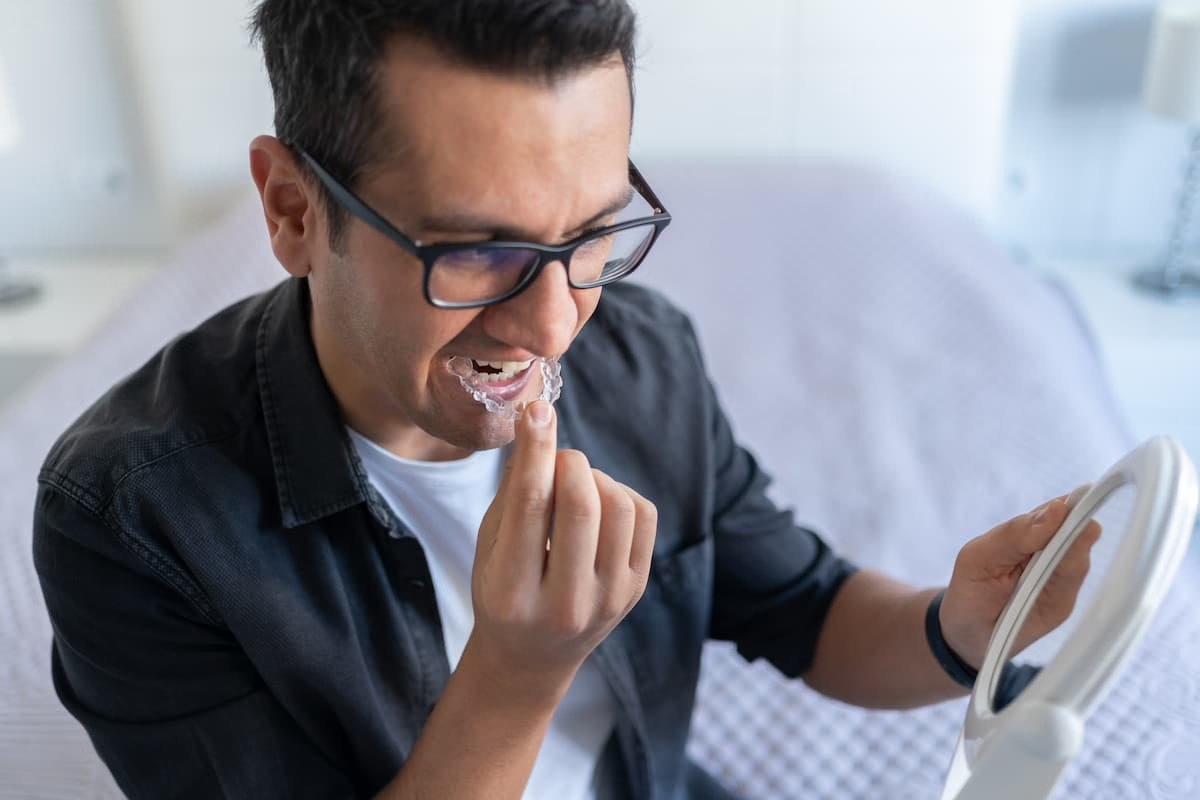
Even if you don’t realize you’re clenching or grinding at night, we may see clues: worn enamel, flattened edges, small fractures, sensitive teeth, or changes in your dental work.
Treating the underlying issue can help protect your teeth from taking the brunt of that pressure night after night.
Let’s give your jaw some attention
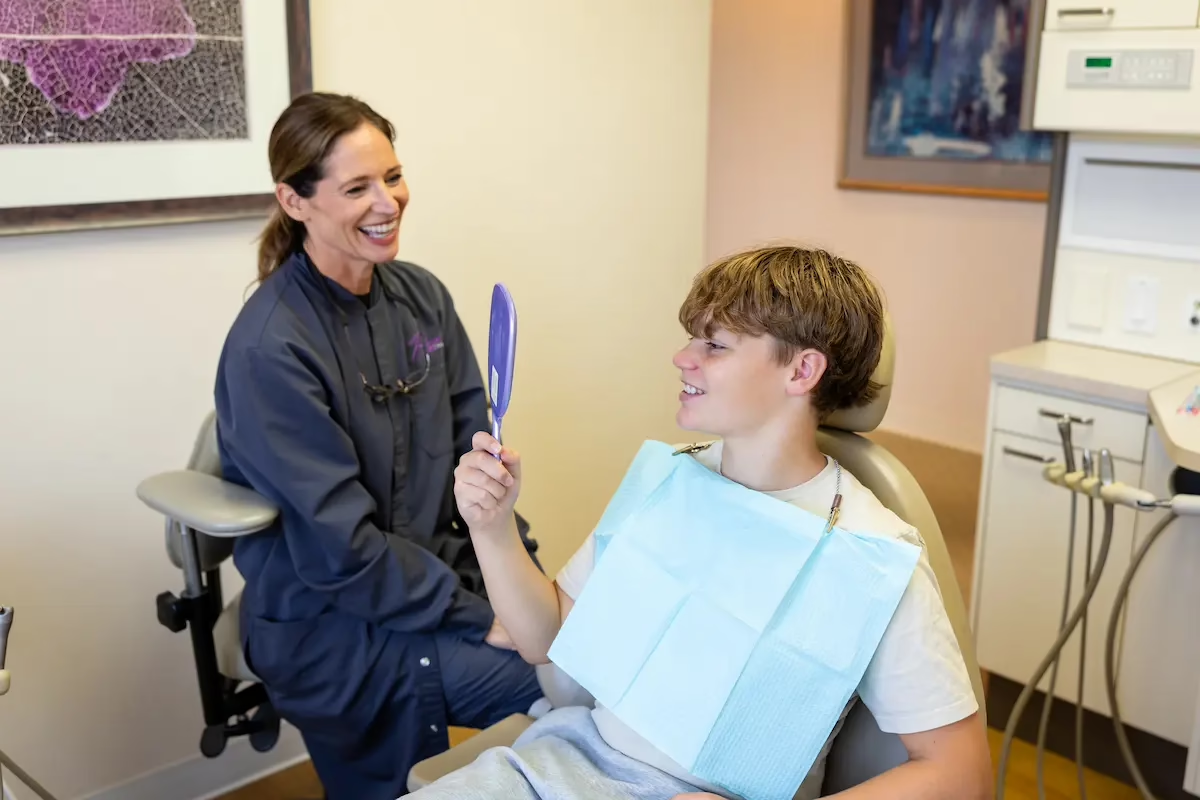
Tell us what’s been bothering you, even if you’re not sure it’s dental. We’ll look at how your teeth, bite, muscles, and jaw are working together and help you understand what comes next.