SLEEP THERAPY IN TACOMA & LAKEWOOD
Sleep Apnea Appliances
Better nights make better days
Eight hours in bed doesn’t mean much if you wake up feeling like you barely slept.
Snoring, disrupted breathing, restless sleep, morning headaches, and daytime exhaustion can all be signs that something is getting in the way of truly restorative sleep.
And sometimes, your dentist can be part of the solution.
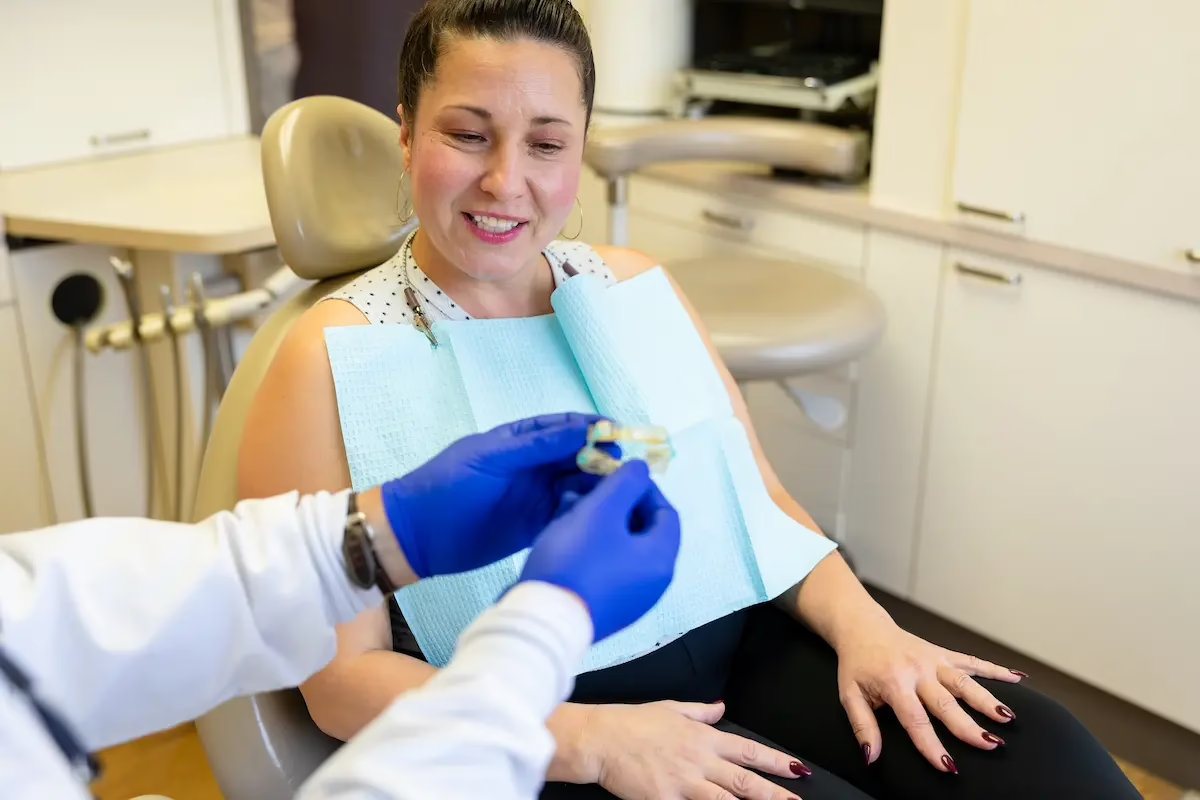
At Plancich Dental, we offer sleep apnea appliances at our Tacoma and Lakewood offices to help patients breathe and sleep more comfortably.
What does dentistry have to do with sleep?
More than you’d expect.
The position of your jaw, tongue, and other tissues in and around your mouth can affect how open your airway stays while you’re asleep.
That’s where dental sleep therapy comes in.
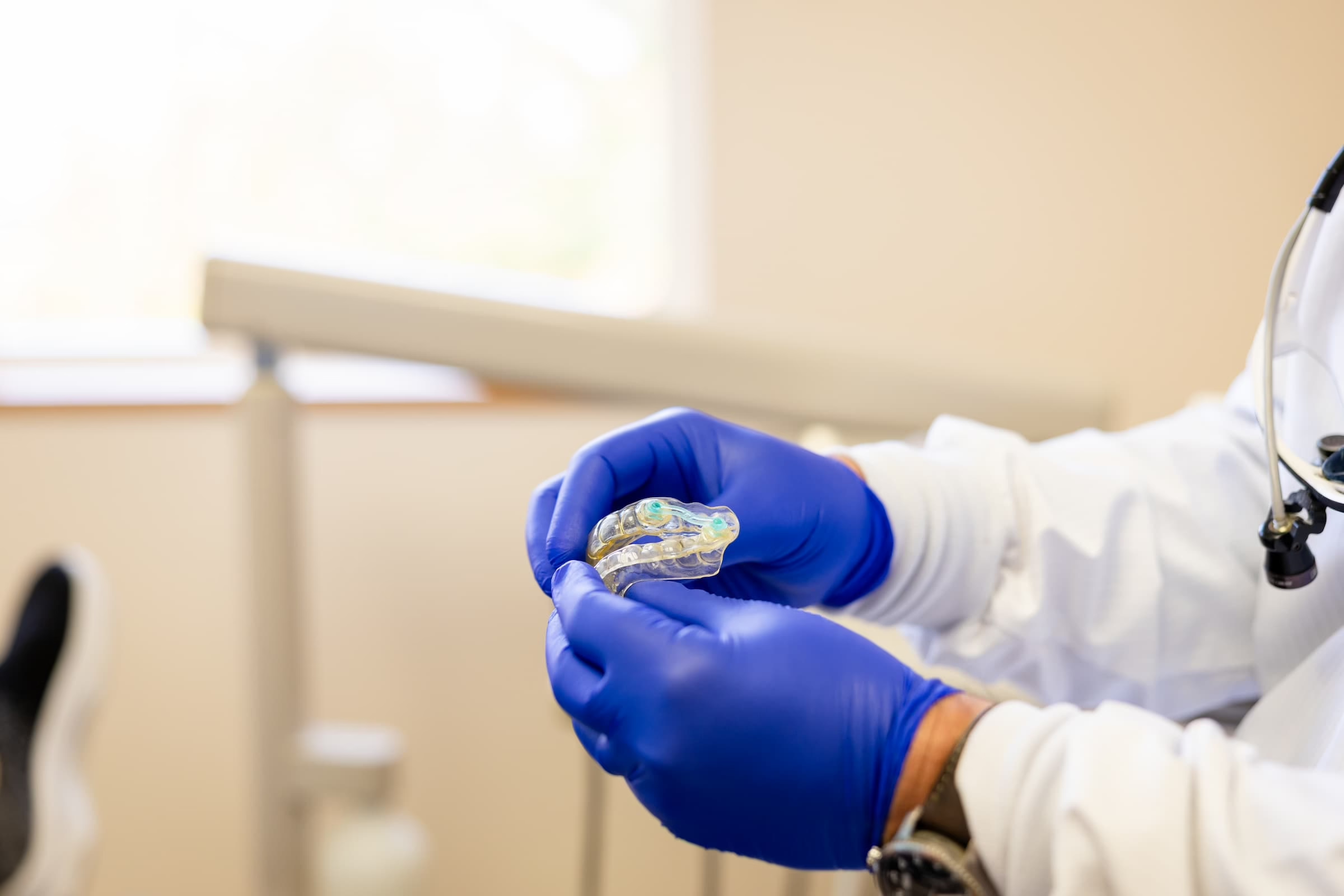
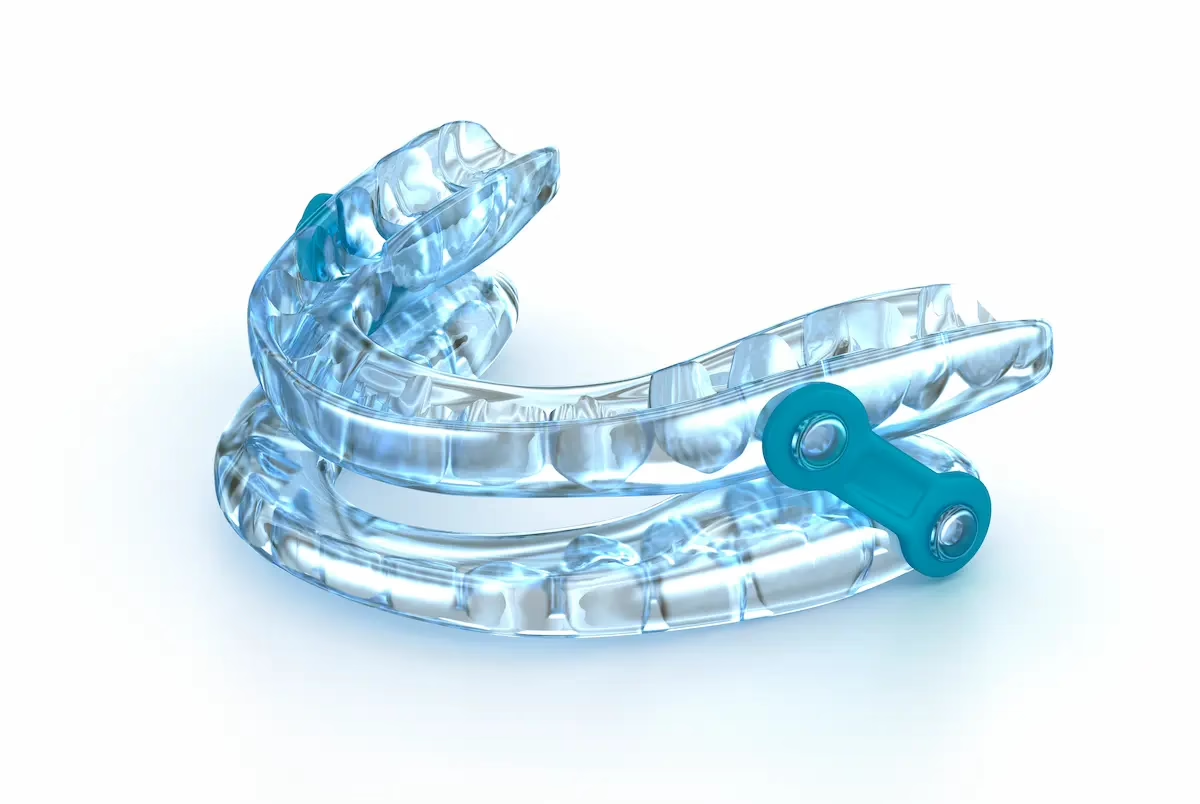
For certain sleep-related breathing concerns, a custom oral appliance can gently reposition the lower jaw while you sleep, helping keep the airway more open.
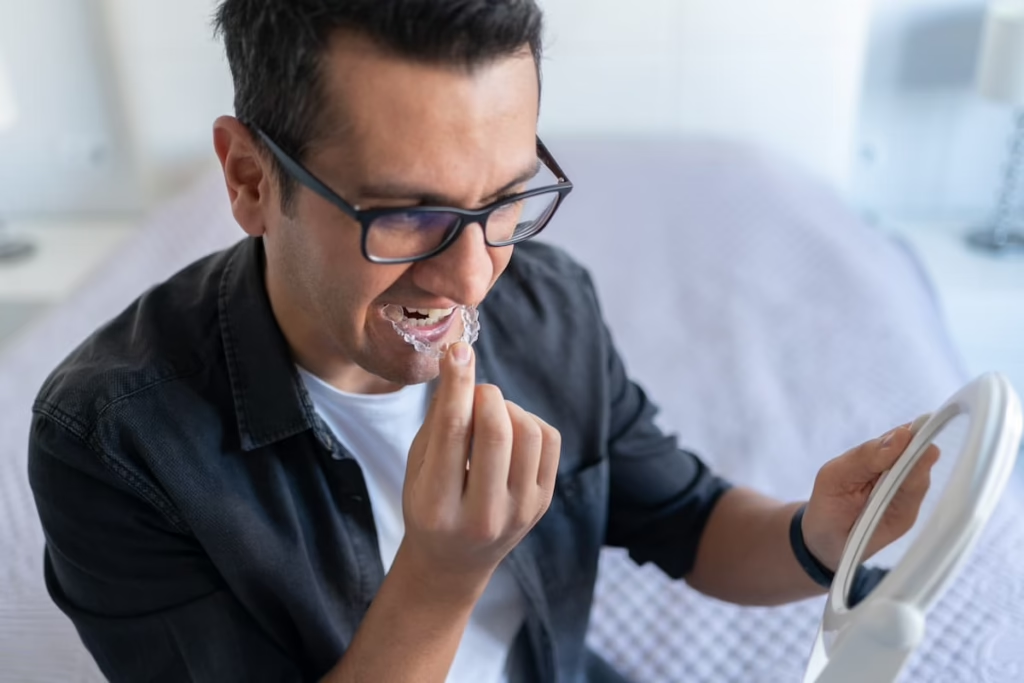
It looks a little like a mouthguard.
What it’s designed to do is much more interesting.
Could poor sleep be affecting your day?
Not everyone who sleeps poorly realizes they’re sleeping poorly.
Sometimes the clues show up after you get out of bed:
- Morning headaches
- Dry mouth
- Daytime tiredness
- Difficulty concentrating
- Waking frequently during the night
- Loud or frequent snoring
- Someone repeatedly nudging you to stop snoring
If sleep never seems to leave you feeling rested, it’s worth figuring out why.
Can an oral appliance help with snoring?
For some people, yes.
Snoring often happens when tissues around the airway vibrate as air moves through a narrowed space. An oral appliance may help by supporting the jaw in a position that keeps the airway more open.
But snoring can also be associated with obstructive sleep apnea, which is a medical condition that deserves proper diagnosis.
That’s why we don’t want to simply silence the snoring without understanding what might be behind it.
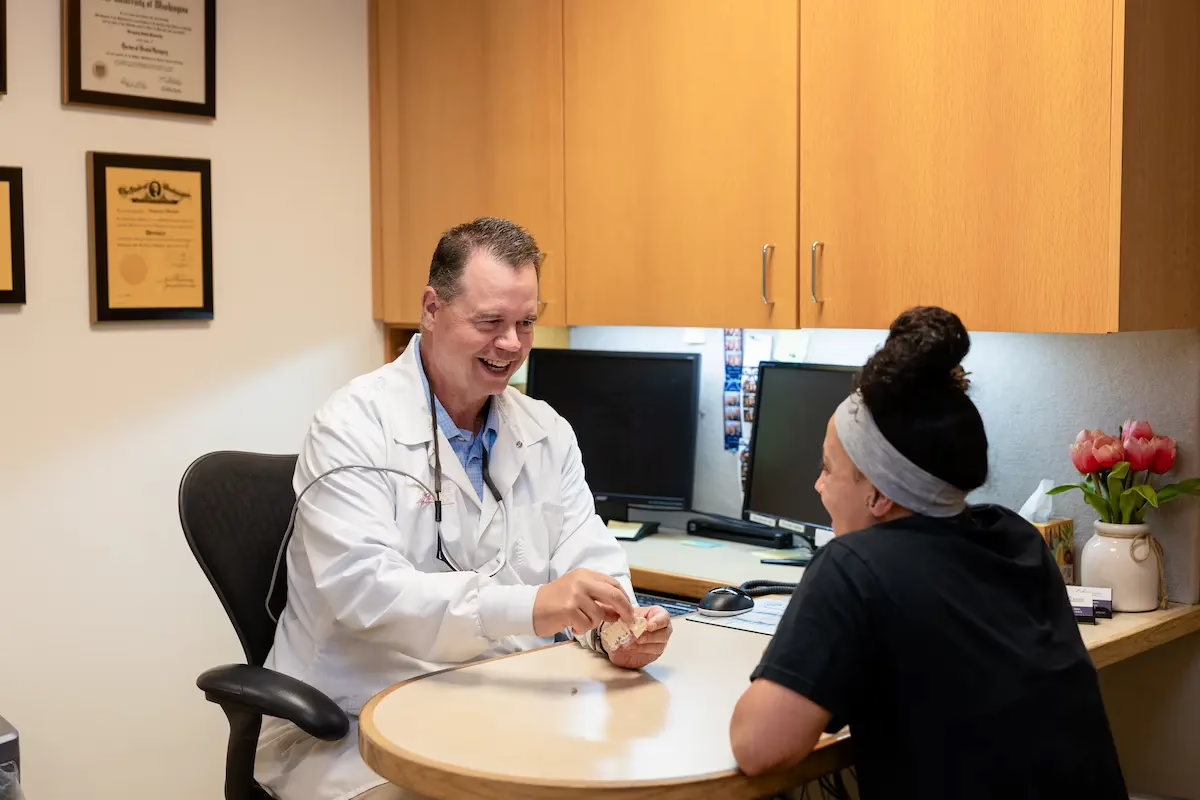
What if I have sleep apnea?
If sleep apnea is suspected, diagnosis needs to come from an appropriate medical provider or sleep specialist.
Once you have a diagnosis, dental sleep therapy may be one part of your treatment plan when clinically appropriate.
Our role is to work within that bigger picture and create a custom appliance designed specifically for your mouth and prescribed treatment needs.
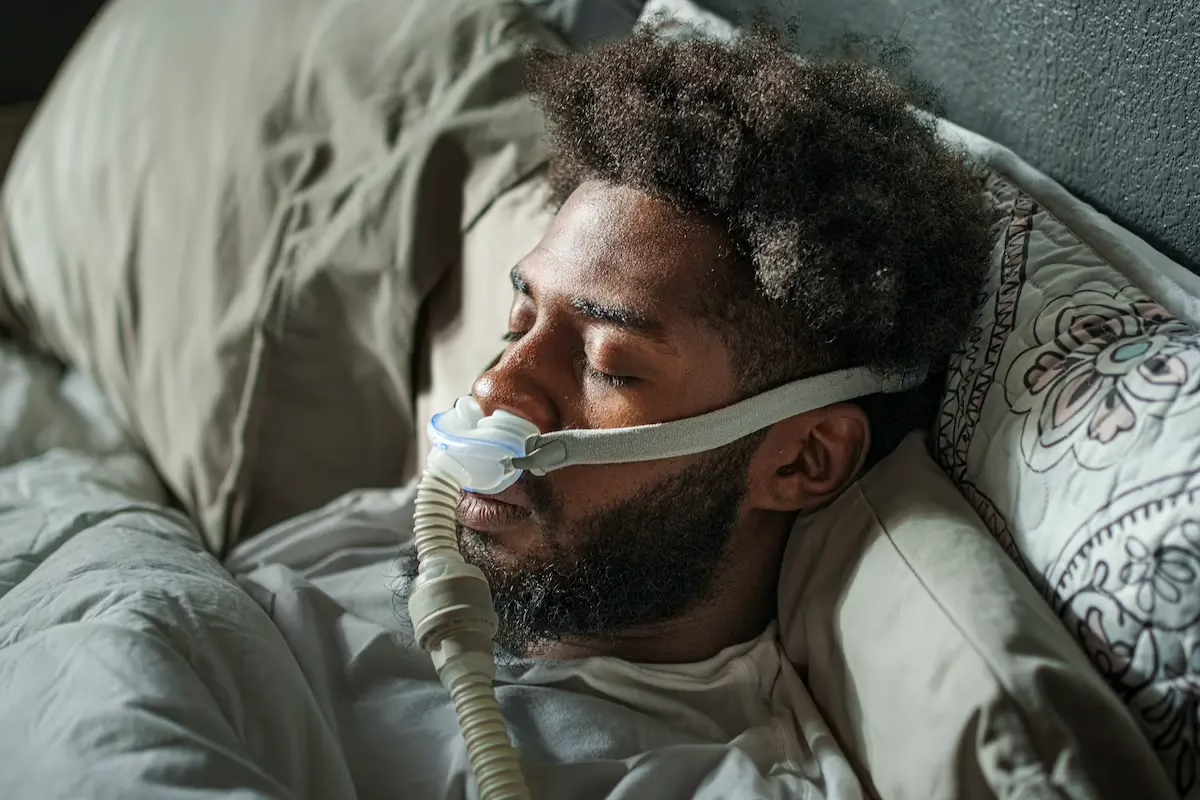
Do I have to use a CPAP?
CPAP remains an important treatment for many people with obstructive sleep apnea. Oral appliance therapy can be an alternative for certain patients or situations based on medical recommendations.
This isn’t about declaring one treatment “better.” It’s about finding a safe, effective treatment you can actually use consistently.
Let’s talk about what happens while you sleep
Tell us what you’re experiencing or what your partner keeps telling you you’re doing all night, and we’ll help determine the appropriate next step.